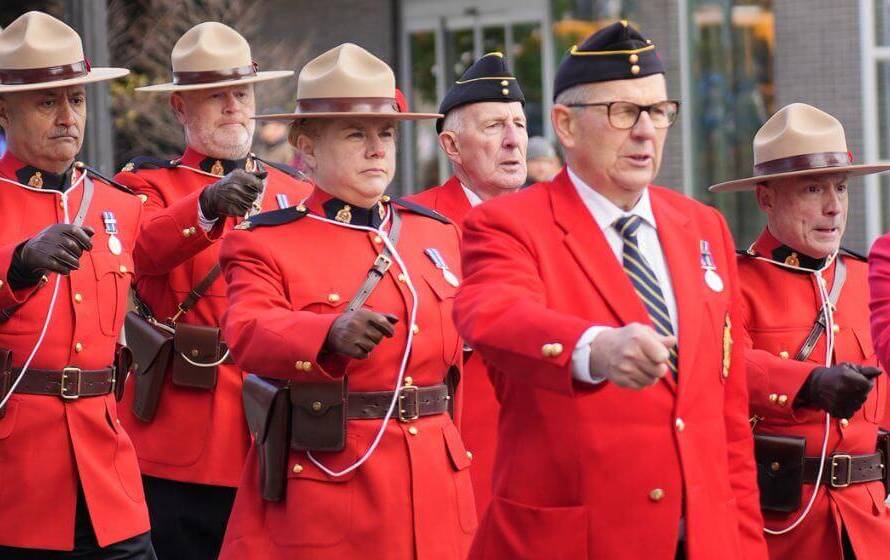


RCMP Citizenship Requirements: Complete Eligibility Guide
RCMP Citizenship Requirements
Quick Answer:By Emily Clarke, Communications Specialist
RCMP citizenship requirements mandate that applicants must be either Canadian citizens or permanent residents who have physically resided in Canada for at least 3 out of the last 5 years (1,095 days). This fundamental eligibility criterion makes sure candidates have sufficient ties to Canada before joining the nation’s federal police force.
Eligibility is a checklist, not a single form. Applicants who fix citizenship, education, or driving gaps before applying avoid months of delay when a later stage flags the same issue.
What Are the RCMP Citizenship Requirements?
The Royal Canadian Mounted Police (RCMP) serves as Canada’s national police force, maintaining strict citizenship and residency standards for all police officer applicants. These requirements form the foundation of the recruitment process, designed to make sure officers have deep connections to the communities they serve.
The core RCMP citizenship requirements include:
- Canadian Citizenship: Full citizens with no residency restrictions can apply immediately
- Permanent Resident Status: Must demonstrate 1,095 days (3 years) of physical presence in Canada within the previous 5 years
- Application Processing: All stages conducted exclusively within Canada
- Travel Requirements: Citizens living abroad must return to Canada at their own expense for the selection process
The RCMP currently requires that applicants be Canadian citizens or have permanent resident status in Canada. This policy makes sure candidates have established roots in Canada and can undergo thorough background checks before joining the Royal Canadian Mounted Police.
Can Permanent Residents Join the RCMP?
Yes, permanent residents can join the RCMP, but they must meet specific residency requirements. Simply holding permanent resident status isn’t sufficient – you must have physically lived in Canada for at least 3 years as a PR within the last 5 years to be eligible.
For example:
- If you became a permanent resident 1 year ago, you must wait until you accumulate 3 years of residency
- If you’ve been a permanent resident for 5 years continuously, you likely meet the requirement (5/5 years exceeds the 3/5 minimum)
However, RCMP police officers who are permanent residents may be limited in obtaining certain positions that require a top secret security clearance or certain types of travel documents. This means while permanent residents can become RCMP officers, they may face career limitations compared to Canadian citizens in specialized roles.
Key considerations for permanent residents:
- Meeting residency threshold makes you eligible but doesn’t guarantee selection
- Must still fulfill all other RCMP requirements (age, education, fitness, background checks)
- May encounter limitations in high-security assignments or international duties
- Many officers eventually pursue Canadian citizenship to remove career restrictions
What Are the Different Citizenship Requirements?
Canadian Citizens
Canadian citizens enjoy the most straightforward path to RCMP service, whether born in Canada or naturalized. The requirement is simple – being a citizen automatically makes you eligible, regardless of how you obtained citizenship.
Advantages for Citizens:
- No residency calculation requirements
- Access to all positions, including those requiring top-secret clearance
- No travel document limitations for international assignments
- Full eligibility for specialized units and federal policing roles
Important note: Even Canadian citizens living abroad must participate in the entire selection process within Canada at their own expense.
Permanent Residents
For permanent residents, the 3-out-of-5 year rule mirrors Canada’s citizenship eligibility criteria. You must have been physically in Canada for at least 1,095 days (3 years) during the 5 years before the date you sign your application.
Calculation requirements:
- Must accumulate exactly 1,095 days of physical presence in Canada
- Time is counted only while holding permanent resident status
- Temporary resident time (study/work permits) doesn’t count toward RCMP eligibility
- Must provide detailed documentation of travel and residency patterns
Why Does the RCMP Have These Citizenship Requirements?
The RCMP maintains these strict citizenship and residency standards for several critical reasons:
Security and Background Verification
Policing involves access to sensitive information, police databases, and significant authority. The RCMP needs to conduct thorough background checks, which is much easier for individuals with established Canadian residence history. The 3-year residency requirement provides sufficient time to verify an applicant’s character, criminal history, and financial responsibility within Canada.
Commitment and Integration
The RCMP wants officers who have demonstrated commitment to Canada and understand Canadian laws, culture, and social norms. By requiring citizenship or significant permanent residency, the force makes sure recruits have invested in making Canada their home and are likely to have deeper community connections.
Legal and Operational Requirements
Some law enforcement operations, especially federal policing, may legally require Canadian citizenship. Certain security clearances, classified information access, and international deployments might be restricted to citizens only. This prevents complications in high-level assignments and makes sure there is operational flexibility.
Are RCMP Citizenship Requirements Changing?
The union representing front-line RCMP members wants the force to ease requirements for foreign applicants to help attract experienced police officers from agencies like the U.S. Federal Bureau of Investigation and counterparts in the United Kingdom and Australia.
Current policy discussions include:
- Following the Canadian Armed Forces’ 2022 example of eliminating residency requirements for permanent residents
- Attracting international law enforcement talent to address staffing shortages
- Meeting government recruitment targets of additional RCMP personnel
- Expanding the eligible candidate pool with experienced officers
The National Police Federation has advocated for relaxing the 3-year residency requirement, noting that experienced officers from international agencies might be interested in joining the RCMP if not for this barrier. However, as of 2025, the current requirements remain in place.
How Do RCMP Requirements Compare to Other Forces?
| Force | Citizenship Requirement | Residency Period | Policy Changes |
|---|---|---|---|
| RCMP | Canadian citizen or PR | 3 years in last 5 | Under discussion |
| Canadian Armed Forces | Canadian citizen or PR | None (changed 2022) | Eliminated in 2022 |
| Provincial Police | Varies by province | Typically 1-2 years | Varies |
The contrast with the Canadian Armed Forces is particularly notable – they eliminated the time-in-Canada stipulation for permanent resident applicants in 2022, while the RCMP maintains the 3-year rule.
What If You Don’t Meet Citizenship Requirements Yet?
For those who aren’t Canadian citizens or permanent residents, obtaining legal status in Canada is the essential first step:
Path to Permanent Residency
- Explore Express Entry for skilled workers
- Consider provincial nominee programs
- Investigate family sponsorship options
- Research other immigration pathways through Immigration, Refugees and Citizenship Canada (IRCC)
Timeline Considerations
The 3-year residency requirement aligns with citizenship eligibility, so you can work toward both goals simultaneously. By the time you accumulate 1,095 days as a permanent resident for RCMP eligibility, you could also qualify to apply for Canadian citizenship.
Preparation While Waiting
- Improve English or French language proficiency
- Maintain a clean criminal record and good financial standing
- Stay physically fit and healthy
- Learn about Canadian laws, culture, and communities
- Consider volunteer work or community involvement
Additional RCMP Requirements Beyond Citizenship
While citizenship forms the foundation, RCMP applicants must also meet detailed additional criteria:
| Requirement Category | Specific Standards |
|---|---|
| Age | Minimum 18 to apply, 19 for employment |
| Education | Canadian high school diploma or equivalent |
| Language | Fluency in English or French |
| Physical Fitness | Pass Police Fitness Assessment (PFA) |
| Health Standards | Medical, vision, and hearing requirements |
| Security Clearance | Clean background for 10 years |
| Commitment | Willing to relocate anywhere in Canada |
Security Clearance Process
The comprehensive background investigation covers:
- Previous employment and education verification
- Neighborhood inquiries and character references
- Personal finances and credit history
- Drug and alcohol use patterns
- Online activities and digital footprint
- Criminal activities and court records
- Friends, associates, and family connections
Common Citizenship-Related Disqualifications
Several factors can lead to disqualification during the citizenship verification process:
Documentation Issues
- Fraudulent citizenship or immigration documents
- Incomplete residency documentation
- Failure to provide required foreign activity details
- Outstanding immigration violations
Security Concerns
- Inadmissibility to Canada due to security, criminal, or medical grounds
- Extended unexplained absences from Canada
- Connections to organizations or activities of security concern
- Criminal inadmissibility issues affecting legal status
Tips for Meeting RCMP Citizenship Requirements
For Current Permanent Residents
- Calculate physical presence accurately – Use IRCC’s online residence calculator
- Maintain detailed travel records – Keep all passport stamps, boarding passes, and travel documents
- Consider citizenship application timing – Apply for citizenship when eligible to remove future limitations
- Document all absences – Maintain records of reasons for travel and duration abroad
For Citizens Living Abroad
- Plan return logistics carefully – Budget for multiple trips to Canada during the application process
- Maintain Canadian connections – Keep bank accounts, file taxes, maintain healthcare coverage
- Document reasons for absence – Prepare explanations for extended foreign residence
- Prepare for enhanced scrutiny – Extended background investigations may be required
For Future Applicants
- Focus on immigration first – Obtain permanent resident status through appropriate channels
- Build Canadian ties – Establish employment, community connections, and local relationships
- Maintain clean records – Keep criminal, financial, and driving records spotless
- Stay informed about policy changes – Monitor RCMP recruitment updates for requirement modifications
Frequently Asked Questions About RCMP Citizenship Requirements
No, you can be either a Canadian citizen or a permanent resident with at least 3 years of residency in Canada as a PR. Canadian citizenship automatically meets the requirement, while permanent residents must demonstrate sufficient time in Canada.
No, the RCMP requires permanent residents to have accumulated 3 years in Canada within the last 5 years before applying. You must wait until reaching the 3-year threshold before becoming eligible.
Generally no for standard policing duties, but some specialized positions requiring top-secret security clearance or international assignments may be limited to Canadian citizens. Many RCMP officers who join as permanent residents eventually obtain citizenship.
Yes, dual citizenship is perfectly acceptable. As long as one of your citizenships is Canadian, you meet the citizenship requirement. The RCMP doesn’t require renouncing other citizenships.
How can I verify I meet all RCMP citizenship requirements?
Use RCMP resources and eligibility checker to confirm your status. Verify your physical presence calculations, make sure all documentation is current, and confirm you meet additional requirements like age, education, and health standards.
The RCMP citizenship requirements represent a fundamental threshold for service with Canada’s national police force. While current standards emphasize strong Canadian connections through citizenship or extended permanent residency, ongoing policy discussions suggest potential future changes to attract international talent and address recruitment challenges.
Aspiring RCMP officers should focus on meeting current requirements while staying informed about policy developments. Whether you’re a Canadian citizen, permanent resident working toward eligibility, or someone planning to immigrate to Canada, understanding these requirements is the key first step toward joining one of the world’s most respected police forces.
The path to becoming a Mountie requires patience, preparation, and persistence. Use the time before eligibility to strengthen other aspects of your application – improve fitness, enhance language skills, build community connections, and maintain exemplary character. When you finally meet all citizenship requirements, you’ll be ready to begin the challenging but rewarding journey toward wearing the iconic RCMP uniform.
About the Author
Emily Clarke holds a degree in Communications from the University of British Columbia and specializes in law enforcement outreach and career development. As Content Director for JoinRCMP.ca, Emily has spent over five years researching RCMP recruitment processes, interviewing successful applicants and recruitment officers, and helping hundreds of aspiring candidates handle the application journey.
Sources:
Becoming a Mountie | Royal Canadian Mounted Police
Regular member hiring process | Royal Canadian Mounted Police
This article reflects current RCMP policy based on official government documentation. Eligibility and suitability decisions are assessed on a case-by-case basis during the application process.