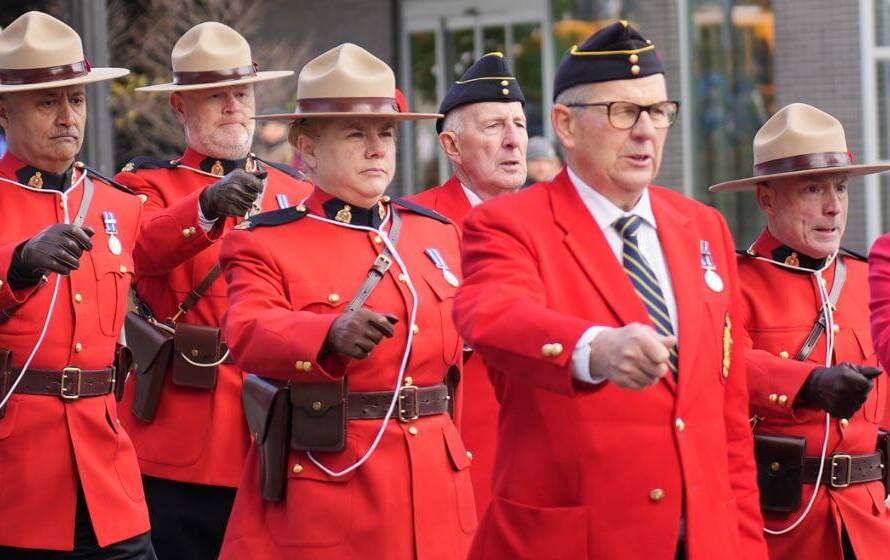


What Are the Language Proficiency Requirements for RCMP Officers ?
For the full eligibility overview, see our RCMP requirements hub.
Language Proficiency Requirements for RCMP Officers
Quick Answer:By Ait , law enforcement analyst
What Are the Language Proficiency Requirements for RCMP Officers : RCMP applicants must be proficient in at least one official language (English or French) to apply. Bilingual positions require a Second Language Evaluation (SLE) test, with proficiency levels ranging from A (Beginner) to C (Advanced). However, only 19.5% of Regular Members currently meet bilingual standards, though 95% of civilian employees in bilingual roles comply.
Eligibility is a checklist, not a single form. Applicants who fix citizenship, education, or driving gaps before applying avoid months of delay when a later stage flags the same issue.
Language Requirements at the Application Stage
To become an RCMP officer, candidates must demonstrate proficiency in one of Canada’s official languages as a baseline requirement. This language becomes the primary medium for all training, communication, and duties.
The RCMP Online Entrance Assessment (OEA) includes a Language Comprehension section that evaluates verbal aptitude through two subtests: word meanings (vocabulary) and word relationships (logical reasoning). This is a cognitive assessment in your primary language—not a test of bilingual ability. It measures your capacity to read, understand, and interpret written information, skills essential for report writing and understanding legal documents.
Federal Bilingual Proficiency Levels
Bilingual positions follow a standardized federal framework using three proficiency levels for Reading Comprehension, Written Expression, and Oral Interaction:
- Level A (Beginner): Basic comprehension and simple communication on concrete topics
- Level B (Intermediate): Understanding most work-related material and sustaining conversations
- Level C (Advanced): Handling complex topics, sensitive situations, and technical content
A position’s linguistic profile combines these levels. For example, “CBC” means Advanced reading and oral skills, but Intermediate written expression.
The Second Language Evaluation (SLE)
For designated bilingual positions, candidates must pass the Second Language Evaluation—a standardized test administered by the Public Service Commission. The SLE includes three components:
- Test of Reading Comprehension
- Test of Written Expression
- Oral Language Assessment
Results remain valid for five years. However, candidates who do not meet language requirements can sometimes be appointed under “non-imperative” staffing if they complete government-funded language training within two years—though this is reserved for specialized roles.
The RCMP’s Bilingualism Challenge
Despite legal obligations under the Official Languages Act, the RCMP faces a significant compliance gap:
- Only 19.5% of Regular Members (uniformed officers) are bilingual
- 34% of Civilian Members and 27% of Public Service Employees are bilingual
- Just 82% of Regular Members in designated bilingual roles meet language requirements
- At the Inspector level and above, only 59% comply with bilingual position requirements
This disparity reflects a cultural divide between uniformed and civilian staff. Senior leadership positions—especially at the Deputy and Assistant Commissioner levels—are almost entirely designated bilingual, creating a major barrier to promotion for unilingual officers.
Special Requirements in New Brunswick
New Brunswick, Canada’s only constitutionally bilingual province, imposes stricter obligations. When the RCMP operates as the provincial police force there, officers must inform citizens at first contact of their right to service in English or French and provide service in the chosen language. This absolute requirement differs from the “significant demand” standard applied elsewhere in Canada.
Indigenous Languages and Operational Value
Beyond official bilingualism, the RCMP recognizes Indigenous languages as critical operational assets. Officers proficient in languages like Mi’kmaw, Cree, or Mandarin can de-escalate crises, build community trust, and conduct more effective investigations. The RCMP now offers Indigenous language training programs, though these skills remain informally recognized compared to official bilingualism.
FAQ : Language Proficiency Requirements for RCMP Officers
No. Proficiency in either English or French is sufficient to apply. However, bilingualism significantly enhances career advancement opportunities, as most senior positions are designated bilingual.
A: Eligible RCMP employees in designated bilingual positions who pass the SLE receive an annual taxable payment of $800 under the Treasury Board’s Bilingualism Bonus Directive
A: Yes, under non-imperative staffing. You can be hired without meeting language requirements if you complete government-funded language training within two years, though this option is limited.
Related Resources:
about the Author
Ait is a law enforcement analyst and currently going through the RCMP application process and documents his journey to help fellow applicants. With a focus on real-world experiences, fitness preparation, and understanding RCMP requirements, Ait provides authentic insights into what it actually takes to become a Mountie.
His perspective comes from firsthand experience with:
- RCMP application requirements and processes
- Physical fitness testing
- Research into RCMP history, structure, and mandate
- Conversations with serving RCMP members
- Study of Canadian law enforcement and security frameworks
Ait writes from the perspective of an informed applicant, His content reflects thorough research and genuine experience with the application process,
Sources:
Becoming a Mountie | Royal Canadian Mounted Police
Regular member hiring process | Royal Canadian Mounted Police
This article reflects current RCMP policy based on official government documentation. Eligibility and suitability decisions are assessed on a case-by-case basis during the application process.