

Does Newfoundland and Labrador Have the RCMP?
For roles, postings, and specializations, see our RCMP careers guide.
Understanding Policing in Canada’s Easternmost Province
Quick Answer:Yes, Newfoundland and Labrador has the RCMP. The Royal Canadian Mounted Police operates approximately 42 detachments across Newfoundland and Labrador (B Division), primarily serving rural and remote communities. However, the province has a unique dual-policing system: the RCMP handles rural areas and federal policing, while the Royal Newfoundland Constabulary (RNC)—one of only three provincial police forces in Canada—serves urban centers including the northeast Avalon region (metropolitan St. John’s), Corner Brook area, and western Labrador communities.
As someone researching policing careers in Canada, I’ve discovered that Newfoundland and Labrador’s policing structure is genuinely unique. Unlike most provinces where the RCMP provides all provincial policing, NL has maintained its own provincial force since 1729—predating Canada itself. Understanding how these two forces coexist, divide responsibilities, and collaborate is essential whether you’re considering applying to the RCMP, the RNC, or simply want to understand law enforcement in this province. Here’s everything I’ve learned about policing in Newfoundland and Labrador.
First postings and specializations follow operational need — not personal preference. Most members start in general duty; specialized units usually come after field experience and competition.
Quick Overview: Two Police Forces, Clear Division of Labor
RCMP in Newfoundland and Labrador (B Division)
Established: 1949 (when Newfoundland joined Canada)
Jurisdiction:
- Rural and remote communities across the province
- Federal policing responsibilities province-wide
- Approximately 42 stand-alone detachments
- Serves most of Newfoundland’s geographic area
Headquarters: 100 East White Hills Road, St. John’s, NL
Emergency Contact: 1-888-709-RCMP (7267)
Royal Newfoundland Constabulary (RNC)
Established: 1729 (one of North America’s oldest police forces)
Jurisdiction (as of June 2024):
- Northeast Avalon region (metropolitan St. John’s and surrounding communities)
- Corner Brook region (Bay of Islands and Humber Valley, including expanded areas)
- Western Labrador (Churchill Falls, Labrador City, Wabush)
Personnel: Approximately 420 police officers and 100 civilian employees
Serves: 29 communities, approximately 257,000 people
Emergency Contact: 9-1-1 (or 709-729-8000 non-emergency)
My Research Finding: This dual-system means that if you live in St. John’s, you call the RNC; if you live in Gander, you call the RCMP; and if you live in Corner Brook, you now call the RNC (as of June 2024). Understanding which agency serves your area matters for both residents and aspiring police officers.
Sources:
RCMP Newfoundland and Labrador
RCMP Newfoundland and Labrador, Royal Newfoundland Constabulary, Government of Newfoundland and Labrador
Historical Context: How NL Got Two Police Forces
Pre-Confederation: The Newfoundland Constabulary and Ranger Force
Before Newfoundland joined Canada in 1949, the colony had its own policing arrangements:
Newfoundland Constabulary (established 1871):
- Served urban areas, particularly St. John’s and the Avalon Peninsula
- Modeled after the Royal Irish Constabulary (reflecting Newfoundland’s Irish heritage)
- Operated independently of Canada
Newfoundland Ranger Force (established 1935):
- Created to serve rural and remote areas
- Modeled explicitly on the RCMP
- Filled the gap in areas without constabulary presence
- Combined policing with social services and government representation
Historical Context: According to the Royal Newfoundland Constabulary’s official history, the force traces its origins to 1729 when Governor Henry Osborn appointed the first police constables—making it one of North America’s oldest continuously operating police agencies.
1949: Newfoundland Joins Canada
April 1, 1949: Newfoundland and Labrador joined Canadian Confederation.
Policing Transition:
- The Newfoundland Ranger Force was amalgamated with the RCMP
- The Newfoundland Constabulary continued operating in urban areas
- The RCMP took over rural and federal policing responsibilities
Why This Structure Persisted: Unlike other provinces that fully transitioned to RCMP contract policing, Newfoundland maintained its provincial constabulary, creating the dual-system that exists today.
Evolution Since 1949
1979: Queen Elizabeth II granted the “Royal” designation to the Newfoundland Constabulary in recognition of its long service, becoming the Royal Newfoundland Constabulary (RNC).
1980: The RNC hired its first female constables.
1981-1986: The RNC gradually re-expanded, replacing the RCMP in:
- Northeast Avalon region
- Parts of Labrador (Labrador City, Wabush, Churchill Falls)
- Corner Brook
2024: The RNC completed its most recent expansion in western Newfoundland, taking over policing from the RCMP in 14 additional communities around Corner Brook.
My Perspective: This history explains why Newfoundland and Labrador’s policing looks different from provinces like Alberta or Saskatchewan, where the RCMP is the sole provincial police force. The RNC’s continuous operation since before Confederation created a strong institutional identity that the province has maintained.
Sources: Royal Newfoundland Constabulary history, RCMP historical records, Wikipedia (Royal Newfoundland Constabulary)
The RCMP’s Role in Newfoundland and Labrador
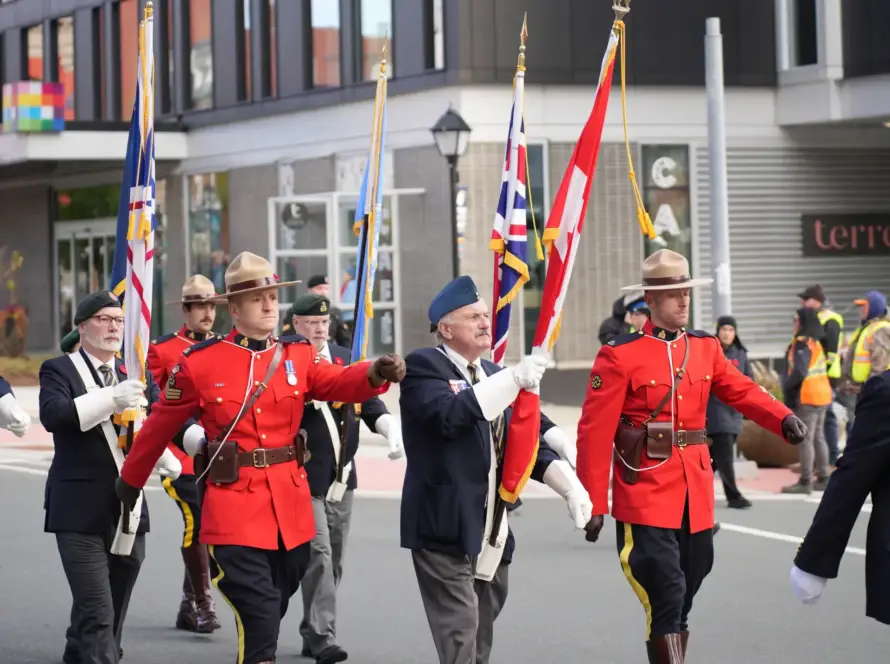
The RCMP serves as the primary law enforcement agency for most of Newfoundland and Labrador’s geographic area.
Organizational Structure: B Division
Newfoundland and Labrador = B Division in the RCMP’s organizational structure.
Current Structure (2026):
- 42 stand-alone detachments, each with its own Non-Commissioned Officer (NCO) detachment commander
- 11 district offices with Inspectors (Officers in Charge) and Staff Sergeants
- Headquarters in St. John’s providing divisional support and specialized services
Geographic Coverage: The RCMP serves all rural and remote communities not covered by the RNC, including:
- Central Newfoundland (Gander, Grand Falls-Windsor region)
- Western Newfoundland rural areas
- Northern Peninsula
- South coast communities
- Eastern Labrador (except Churchill Falls and Labrador West)
- Remote and isolated communities
Example Detachments (partial list):
- Gander
- Grand Falls-Windsor
- Marystown
- Clarenville
- Bonavista
- Burin
- St. Anthony
- Port aux Basques
- Happy Valley-Goose Bay
- Numerous smaller community detachments
My Understanding from Research: The RCMP’s 42 detachments cover an enormous geographic area with scattered population centers, harsh terrain, and significant isolation. This creates unique operational challenges compared to policing in southern Canadian cities.
Primary RCMP Responsibilities in NL
1. Provincial Policing (Contract Policing)
Under a contract with the Government of Newfoundland and Labrador, the RCMP provides general law enforcement services:
Core Duties:
- Responding to emergency calls (9-1-1)
- Criminal investigations (homicide, assault, property crime, fraud)
- Traffic enforcement and collision investigation
- Crime prevention and community safety programs
- Emergency response
- Court security and prisoner transport
Contract Structure:
- Provincial government pays portion of policing costs
- Federal government subsidizes contract policing
- Municipalities may contribute to costs
2. Federal Policing Mandate
The RCMP enforces federal laws throughout Newfoundland and Labrador:
Federal Responsibilities:
- Border security and customs enforcement
- Drug enforcement (trafficking, organized crime)
- Counter-terrorism and national security investigations
- Organized crime (biker gangs, criminal networks)
- Economic crimes (money laundering, corruption)
- Cybercrime investigations
- Immigration and passport fraud
Specialized Units: These federal responsibilities are handled by specialized investigative teams rather than general duty officers.
3. Marine Enforcement
RCMP Vessel “Simmonds”: Based on Newfoundland’s south coast, this is one of five RCMP marine vessels in Canada. According to Wikipedia, the vessel’s unique livery sports the RCMP badge but is otherwise painted with Canadian Coast Guard colours and the marking “Coast Guard Police.”
Marine Responsibilities:
- Fisheries enforcement
- Marine border security
- Search and rescue support
- Maritime safety enforcement
Geographic Reality: Newfoundland’s extensive coastline and maritime culture require specialized marine policing capabilities.
4. Community Policing and Indigenous Services
Community Engagement: The RCMP emphasizes building relationships with residents, particularly in small, rural, and Indigenous communities where the local RCMP officer may be the primary government representative.
Indigenous Communities: The RCMP works with Indigenous leaders in Labrador and Newfoundland to deliver culturally appropriate policing services, including:
- Cultural sensitivity training for officers
- Community-led initiatives
- Collaboration on Indigenous policing programs
My Insight: In remote Newfoundland and Labrador communities, RCMP officers often fulfill roles beyond traditional policing—serving as liaisons between communities and government, assisting with emergencies, and providing a visible presence of law and order in isolated areas.
Sources: RCMP Newfoundland and Labrador policing priorities, RCMP official website
The Royal Newfoundland Constabulary’s Role
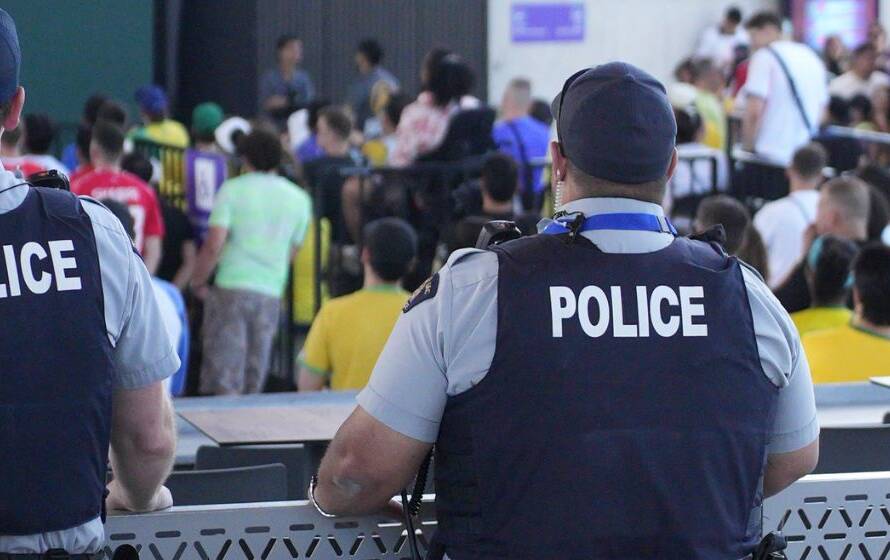
The RNC operates as Newfoundland and Labrador’s provincial police service, distinct from the RCMP.
RNC Jurisdictional Areas (Updated June 2024)
Northeast Avalon Region
Primary Urban Center: St. John’s (provincial capital) and metropolitan area
Communities Served:
- St. John’s
- Mount Pearl
- Paradise
- Conception Bay South
- Portugal Cove-St. Philip’s
- Torbay
- Other northeast Avalon communities
Why the RNC Serves Here: This is the province’s most densely populated urban region, requiring dedicated municipal policing.
Corner Brook Region (Expanded 2024)
Recent Expansion: The RNC completed a two-phase expansion in western Newfoundland during 2024.
Phase 1 (February 1, 2024):
- Massey Drive
- Mount Moriah
Phase 2 (June 30, 2024):
- Cox’s Cove
- Gilliams
- Humber Arm South
- Hughes Brook
- Irishtown-Summerside
- Lark Harbour
- Little Rapids
- McIvers
- Meadows
- Pasadena
- Steady Brook
- York Harbour
Total Corner Brook Region Served: Nearly 33,000 residents in the Bay of Islands and Humber Valley
Why This Matters: This expansion represents a significant transfer of policing responsibility from the RCMP to the RNC, reflecting the provincial government’s decision to consolidate urban policing under the RNC.
RCMP Continued Presence: Despite the RNC expansion, the RCMP maintains a Corner Brook detachment for specialized and federal policing services, plus the RNC/RCMP Joint Forces Operation West.
Western Labrador
Communities Served:
- Labrador City
- Wabush
- Churchill Falls
Why the RNC Serves Here: These mining communities have higher population density and urban characteristics, making RNC’s policing model appropriate.
My Research Finding: The RNC’s expansion in western Newfoundland was driven by municipal requests for enhanced policing services. According to government releases, mayors emphasized that the RNC’s 24-hour policing model and community-based approach better suited growing urban areas.
Sources: Government of Newfoundland and Labrador press releases (2023-2024), RNC official website
RNC Operational Model
24-Hour Policing: Unlike some RCMP detachments that may have limited hours, RNC provides continuous 24/7 coverage in its jurisdictions.
Community-Based Approach:
- Dedicated patrol officers assigned to specific neighborhoods
- Community engagement programs
- School resource officers
- Crime prevention initiatives
Specialized Units:
- Tactics and Rescue Unit (TRU) – tactical response team
- Criminal Investigations Division
- Police Dog Services
- Marine Unit – 29-foot Rigid Hull Inflatable Boat (RHIB)
- Mounted Unit – operating since 1873, re-established 2003
- Collision Reconstruction Team
- Public Order Unit
Equipment and Resources:
- Modern vehicle fleet
- Body-worn cameras (being implemented)
- Advanced investigative technology
- Marine vessels for coastal communities
My Perspective: The RNC’s model emphasizes local, community-focused policing with specialized capabilities for urban areas—a different approach from the RCMP’s broader provincial mandate.
Sources: Royal Newfoundland Constabulary official website, Wikipedia
How the RCMP and RNC Collaborate
Despite having distinct jurisdictions, the RCMP and RNC frequently cooperate on investigations and operations.
Formal Collaboration Mechanisms
Joint Forces Operation West: A collaborative unit in western Newfoundland combining RCMP and RNC resources for:
- Organized crime investigations
- Drug enforcement
- Major crime investigations
- Cross-jurisdictional cases
Integrated Units:
- Integrated Criminal Investigation Division (ICID) – major crimes
- Drug enforcement teams
- Intelligence sharing on organized crime and terrorism
Major Investigations: When serious crimes span multiple jurisdictions (homicides, organized crime, terrorism), the RCMP and RNC pool investigators and resources.
Operational Cooperation Examples
Disaster Response: During natural disasters (hurricanes, flooding, severe weather), both forces coordinate:
- Evacuation operations
- Emergency response
- Road closures and traffic management
- Public safety messaging
Search and Rescue: Both agencies collaborate with the Newfoundland and Labrador Search and Rescue Association and other emergency services.
Community Outreach: Joint participation in:
- Crime prevention programs
- School safety initiatives
- Public safety campaigns
- Community events
Amber Alert System: Both RCMP and RNC are authorized to activate Amber Alerts for child abductions, using a coordinated provincial system.
Cross-Jurisdictional Incidents: When crimes or incidents cross RNC/RCMP boundaries:
- Smooth transfer of investigations
- Joint task forces for ongoing cases
- Shared intelligence and evidence
My Understanding: The cooperation between RCMP and RNC prevents jurisdictional gaps and makes sure criminals can’t exploit boundary lines. Residents benefit from the strengths of both agencies working together.
Sources: RCMP NL policing priorities, Government of NL press releases
Unique Challenges of Policing Newfoundland and Labrador
Newfoundland and Labrador presents distinctive policing challenges that both the RCMP and RNC must work through.
Geographic Isolation
The Challenge:
- 512,930 total population (2021) spread across 405,212 km² (156,453 sq mi)
- One of Canada’s lowest population densities
- Many communities accessible only by boat, ferry, or air
- Vast distances between population centers
Impact on Policing:
- Difficult to provide rapid response to emergencies
- Officers in remote detachments work with minimal backup
- Transportation logistics for prisoner transport, court appearances, investigations
- Limited access to specialized resources
Example: An RCMP officer in St. Anthony (Northern Peninsula) may be hours from the nearest backup, operating with significant autonomy and responsibility.
Climate and Weather Conditions
Harsh Winter Weather:
- Heavy snowfall
- Ice storms
- Severe wind (especially coastal areas)
- Dangerous road conditions
Maritime Conditions:
- Fog (St. John’s is one of Canada’s foggiest cities)
- Coastal storms
- Ice floes and icebergs
- Unpredictable marine weather
Policing Impact:
- Emergency response delayed by weather
- Officers working in dangerous conditions
- Marine enforcement complicated by ice and storms
- Seasonal access issues to some communities
My Perspective: Training for RCMP or RNC in Newfoundland and Labrador would require not just standard police skills, but also competency in operating under extreme weather conditions, potentially including survival skills for remote northern postings.
Rural and Remote Community Needs
Small Population Centers:
- Many communities under 500 people
- Limited infrastructure
- Significant distances from support services
- Officer as primary government representative
Cultural Considerations:
- Strong local community identities
- Historical relationships with police
- Indigenous communities requiring culturally sensitive approaches
- Rural lifestyles and values different from urban policing
Officer Isolation: In remote detachments, RCMP officers may experience:
- Professional isolation from colleagues
- Personal isolation from family and support networks
- High visibility and scrutiny in small communities
- Limited recreational and social opportunities
Mental Health Implications: Both RCMP and RNC recognize that isolation, challenging conditions, and exposure to traumatic events (maritime accidents, suicides, domestic violence) create mental health risks requiring strong support systems.
Sources: RCMP NL policing priorities, Statistics Canada, personal research
Policing Priorities in Newfoundland and Labrador
Both the RCMP and RNC focus on specific provincial priorities reflecting Newfoundland and Labrador’s unique challenges.
Traffic Safety (RCMP Provincial Priority)
The Challenge:
- Traffic collisions are the leading cause of death among Canadian youth
- Impaired driving is the leading criminal cause of death in Canada
- Newfoundland’s rural highways and challenging weather conditions
RCMP B Division Traffic Services Mission: “Improve Public Safety on our Highways” with the vision of having “the safest roads in the world.”
Focus Areas:
- Seatbelt enforcement (non-use of occupant restraints)
- Impaired driving enforcement and prevention
- Intersection violations
- Aggressive driving
- Speed enforcement
Results: According to RCMP Newfoundland and Labrador, focused enforcement efforts have shown steady reduction in fatalities and serious injuries on provincial highways.
My Observation: Given Newfoundland’s challenging road conditions (winter weather, remote highways, wildlife crossings), traffic enforcement represents a significant portion of RCMP duties in rural areas.
Family Violence Prevention (Provincial Strategic Priority)
Definition: Physical, sexual, emotional, and psychological abuse of:
- Intimate partners
- Children
- Elderly persons
- People in dating relationships
- Vulnerable individuals
Why It’s a Priority: Family violence occurs across all communities—urban and rural, Indigenous and non-Indigenous—and represents a significant public safety concern.
RCMP Approach:
- 11 districts across NL, each focusing on priority family violence issues
- Prevention strategies specific to community needs
- Awareness programs in schools and communities
- Partnership with community organizations
Specific Initiatives:
- Suicide prevention programs for high-risk Labrador communities
- Suicide prevention training for Labrador RCMP members (resulting in reduced suicide rates)
- Voice Against Violence committee partnerships
- Amber Alert system for child abductions
- Senior abuse awareness campaigns
- Bullying and dating violence presentations in schools
RNC Family Violence Response: The RNC similarly prioritizes domestic violence, child protection, and vulnerable person safety across its jurisdictions.
Cultural Sensitivity: Both forces recognize that family violence interventions require:
- Cultural awareness
- Trauma-informed approaches
- Collaboration with social services
- Community-based support systems
Sources: RCMP Newfoundland and Labrador policing priorities
Organized Crime and Drug Enforcement
The Challenge:
- Drug trafficking routes through Newfoundland ports
- Organized crime networks (biker gangs, criminal organizations)
- Rural drug distribution
- Opioid crisis impacts
Joint RCMP/RNC Response:
- Integrated drug enforcement teams
- Intelligence sharing
- Cross-jurisdictional investigations
- Federal prosecution of major traffickers
Indigenous Community Safety
Policing in Indigenous Communities:
- Labrador Innu communities
- Mi’kmaq communities
- Southern Inuit communities
Culturally Appropriate Policing:
- Cultural awareness training for officers
- Community consultation on policing priorities
- Partnership with Indigenous leadership
- Sensitivity to historical police-Indigenous relations
Public Perception and Community Relations
RCMP in Rural Newfoundland and Labrador
Generally Positive Perception: In rural areas, the RCMP is often:
- The primary or only law enforcement presence
- A trusted community institution
- Integrated into community life
- Viewed as essential public service
Challenges:
- Response time concerns in isolated areas
- Resource allocation (understaffing in some detachments)
- Turnover (officers transferring after short postings)
- Cultural differences when officers from outside NL serve local communities
Community Engagement Efforts:
- School programs (D.A.R.E., youth engagement)
- Community consultation meetings
- Participation in local events
- Social media communication
RNC in Urban Centers
Community-Focused Reputation: The RNC emphasizes:
- Local officers serving their home communities
- Long-term relationships with neighborhoods
- Accessibility and visibility
- Community-based policing philosophy
Challenges: Like all police forces, the RNC faces:
- Accountability concerns
- Use of force incidents
- Public complaints
- Calls for reform and modernization
Oversight Mechanism: The Royal Newfoundland Constabulary Public Complaints Commission provides civilian oversight, investigating complaints and making sure the force is accountable.
My Perspective: As an aspiring police officer, understanding community relations is key. In Newfoundland and Labrador, both forces must balance professional law enforcement with genuine community connection—especially in small towns where officers and residents know each other personally.
Sources: Personal research, RNC official statements, RCMP community policing documents
Career Considerations: RCMP vs. RNC in Newfoundland and Labrador
For anyone considering a policing career in NL, understanding the differences between these forces is essential.
RCMP Career Path
Training:
- 26 weeks at RCMP Depot Division in Regina, Saskatchewan
- Standardized national training
- Posted to NL after graduation (if selected for B Division)
Posting Locations:
- First posting typically to a rural or remote detachment
- Minimum 3 years in general policing duties
- Possible transfers within NL or to other provinces
- Specialized opportunities after initial postings
Career Scope:
- National organization – potential to work anywhere in Canada
- Specialized units (major crimes, drugs, national security, marine)
- Federal policing opportunities
- International deployments (peacekeeping, training)
Challenges:
- Isolation in remote postings
- Family separation during training and early career
- Frequent transfers (not always staying in NL)
- Harsh climate in northern/remote detachments
Advantages:
- National career with diverse opportunities
- Pension and benefits (federal public service)
- Specialized training and advancement
- Iconic police force with national reputation
RNC Career Path
Training:
- 36 weeks at Atlantic Police Academy in Prince Edward Island
- Regional training shared with other Atlantic forces
- Return to NL for on-the-job training
Posting Locations:
- St. John’s region (northeast Avalon)
- Corner Brook region (western Newfoundland)
- Labrador City/Wabush (western Labrador)
Career Scope:
- Provincial force – entire career in Newfoundland and Labrador
- Local community connections
- Specialized units (TRU, investigations, marine, dogs, mounted)
- Promotional opportunities within RNC structure
Challenges:
- Limited to NL – no transfer opportunities to other provinces
- Smaller organization – fewer specialized positions
- Recent expansion creating growing pains
Advantages:
- Stay in NL – entire career in home province
- Community roots – serve the community you know
- 24/7 policing model in urban centers
- Provincial police tradition dating to 1729
Compensation Comparison
RCMP (2026):
- First Class Constable: ~$106,576 base (after first collective agreement)
- Additional allowances for remote postings
- Federal pension and benefits
RNC (2026):
- Specific salary scales determined by RNC collective agreement
- Provincial pension and benefits
- Competitive with other Atlantic police forces
My Assessment: Choosing between RCMP and RNC depends on career goals. If you want national opportunities, diverse postings, and federal policing work, join the RCMP. If you want to stay in Newfoundland and Labrador, serve your home communities, and build local roots, join the RNC.
I’m personally pursuing the RCMP because I value the national scope, specialized opportunities, and diverse career path—but I deeply respect the RNC’s local focus and community commitment.
Sources: RCMP recruitment, RNC recruitment website
Recent Developments and Future Trends
Body-Worn Cameras (BWC)
RCMP Implementation: As of January 2025, the RCMP began deploying body-worn cameras to Newfoundland detachments, starting with:
- St. Anthony
- Roddickton
- Port Saunders
BWC Features:
- Red flashing light indicates recording
- Officers announce camera use when possible
- Enhances transparency and accountability
Provincial Rollout: Body-worn cameras will gradually expand to all RCMP detachments in Newfoundland and Labrador.
RNC Implementation: The RNC is also exploring body-worn camera adoption to align with national policing trends.
Source: RCMP Newfoundland and Labrador Twitter/X (January 2025)
RNC Jurisdiction Expansion
Recent Expansion (2024): The RNC’s takeover of policing in 14 western Newfoundland communities represents the largest jurisdictional expansion in decades.
Future Possibilities:
- Potential further RNC expansion to other urban areas
- Consolidation of urban policing under RNC
- RCMP focusing increasingly on rural and federal mandates
Why This Matters: The provincial government appears to favor the RNC model for urban areas, potentially reshaping the RCMP’s role toward rural and specialized policing.
Technology Integration
Both Forces Investing In:
- Digital evidence management
- Advanced forensics capabilities
- Cybercrime investigation tools
- Communication technology for remote areas
- Data-driven policing approaches
Recruitment Challenges and Strategies
RNC Recent Change (February 2025): The RNC removed post-secondary education requirements to expand its candidate pool and increase consistency with other police agencies.
Why This Matters:
- Increases accessibility for candidates with life experience
- Aligns with national policing trends
- Addresses recruitment challenges
RCMP Recruitment: Continues to emphasize fitness, integrity, and suitability rather than specific educational credentials.
My Observation: Both forces recognize that recruiting quality officers requires focusing on character, fitness, and potential—not just academic credentials.
Sources: RNC recruitment announcements, RCMP recruitment standards
Conclusion: A Unique Dual-Policing System
Newfoundland and Labrador’s policing structure is distinctive in Canada, reflecting the province’s unique history, geography, and communities.
Key Takeaways
Yes, Newfoundland and Labrador Has the RCMP:
- B Division operates ~42 detachments across rural NL
- Provides provincial and federal policing
- Serves the majority of the province’s geographic area
But NL Also Has Its Own Provincial Force:
- The Royal Newfoundland Constabulary (established 1729)
- Serves urban centers: St. John’s region, Corner Brook region, western Labrador
- Recently expanded jurisdiction (2024)
- One of only three provincial police forces in Canada
The Two Forces Work Together:
- Joint operations and investigations
- Collaborative specialized units
- Coordinated emergency response
- Shared policing priorities
Unique Challenges Require Specialized Approaches:
- Geographic isolation and vast distances
- Harsh climate and maritime conditions
- Small, remote communities
- Cultural and community-specific needs
For Aspiring Police Officers
Understanding NL’s policing system helps you:
- Choose the right force based on career goals (national vs. provincial)
- Understand posting realities (rural RCMP vs. urban RNC)
- Prepare for unique challenges (weather, isolation, community dynamics)
- Appreciate collaborative policing (RCMP/RNC cooperation)
For Residents and Public
Knowing your police agency matters:
- Different agencies respond depending on your location
- Both forces are professional and accountable
- Cooperation prevents gaps in law enforcement
- Community engagement is prioritized by both
In Emergency: Always dial 9-1-1—dispatch will connect you to the appropriate police agency (RCMP or RNC) based on your location.
About the Author
Ait is a law enforcement analyst currently working through the RCMP application process and documents his journey to help fellow applicants. With a focus on real-world experiences, understanding policing structures across Canada, fitness preparation, and decoding RCMP requirements, Ait provides authentic insights into what it actually takes to become a Mountie.
His perspective comes from:
- Active participation in the RCMP application process
- Research into Canadian policing structures and jurisdictions
- Conversations with serving members of both RCMP and RNC
- Study of Newfoundland and Labrador’s unique policing history
- Analysis of provincial policing models across Canada
Ait writes from the perspective of an informed applicant, not a serving member of either force. His content reflects detailed research and genuine experience with the application process, always deferring to official RCMP and RNC sources for authoritative information on policing in Newfoundland and Labrador.
Primary Sources:
- RCMP Newfoundland and Labrador official website and policing priorities
- Royal Newfoundland Constabulary official website
- Government of Newfoundland and Labrador press releases (2023-2024)
- RCMP historical records and Wikipedia
- Royal Newfoundland Constabulary Wikipedia
- News reports and social media updates from both agencies
Interested in learning more about RCMP recruitment, policing careers, or law enforcement in Canada? Explore detailed guides at JoinRCMP.ca
The RCMP serves as the primary law enforcement agency for most of Newfoundland and Labrador's geographic area.
The RNC operates as Newfoundland and Labrador's provincial police service, distinct from the RCMP.
Despite having distinct jurisdictions, the RCMP and RNC frequently cooperate on investigations and operations.
Newfoundland and Labrador presents distinctive policing challenges that both the RCMP and RNC must work through.
This article reflects current RCMP policy based on official government documentation. Eligibility and suitability decisions are assessed on a case-by-case basis during the application process.