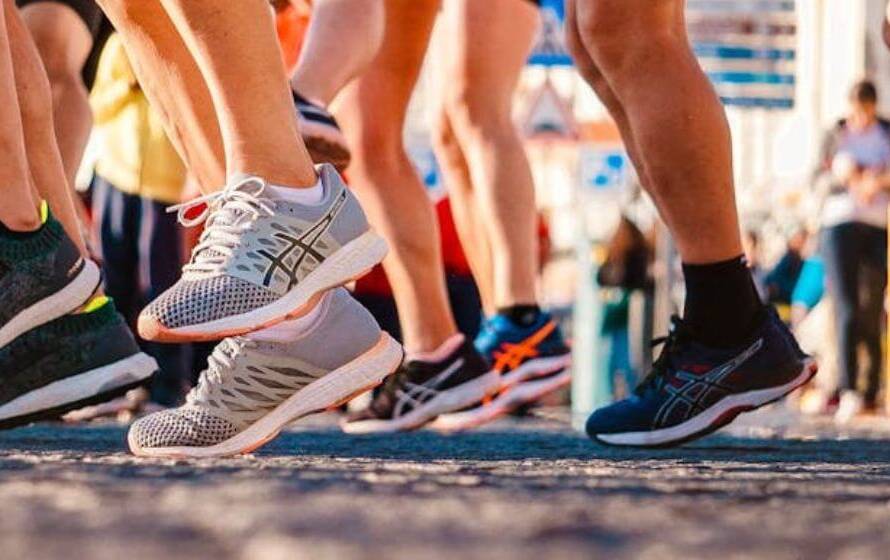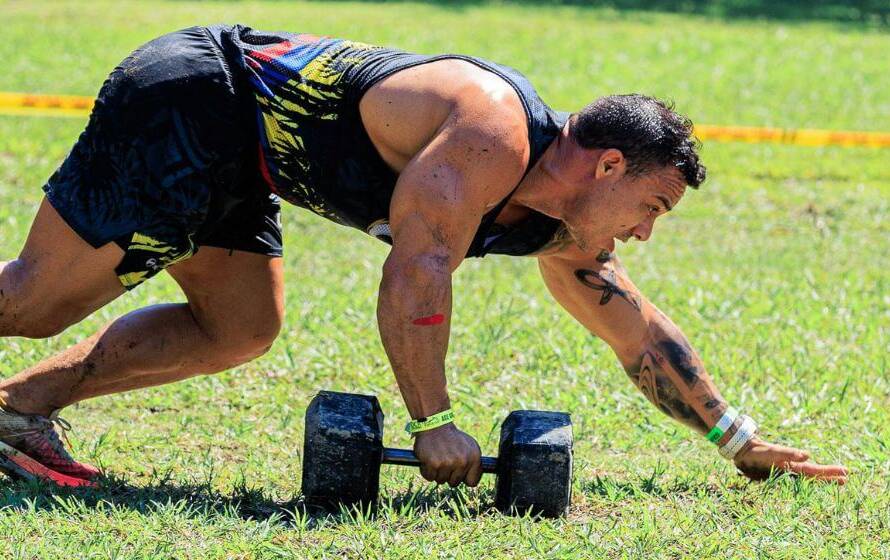


- The PFA has four pass/fail stations. Miss one and you fail the whole test.
- Station 4 is the one most applicants underestimate: 90 seconds in body armour leaves no margin.
- The fence in Station 1 demands grip and upper-body pulling strength, not just running fitness.
- Station 3 rewards volume training: 15 lifts at 23 kg each with five different object shapes.
- The RCMP recommends starting your preparation 3 to 6 months before your assessment date.
The best RCMP fitness test tips are the ones that address what the test actually measures. The Police Fitness Assessment (PFA) replaced PARE in April 2024. It runs four stations back to back, each built around a real policing scenario. Every station is pass or fail, and the standard is the same for all candidates regardless of age or gender. These tips focus on what each station demands and how to prepare for it specifically.
Before diving into station-by-station tips, read the full RCMP fitness test overview and the PFA stations breakdown so you understand the mechanics before you train for them.
Know the Test Before You Train
Generic fitness will not carry you through the PFA. Station 1 demands aerobic output and coordination. Station 2 demands grip endurance and pushing and pulling strength. Station 3 demands high-volume lifting with varied object shapes. Station 4 demands explosive speed under load with body armour and a hard 90-second cutoff. Training for “general fitness” builds a foundation but does not close the gaps.
Tips for Station 1: Foot Pursuit
Station 1 is a 500-metre run with multiple directional changes and a 1.4-metre chain-link fence climb at the halfway mark. Most applicants treat this as a straight running test. It is not.
- Train directional changes, not just distance. Add cone drills and 180-degree sprint turns two to three times per week.
- Practice the fence separately. Bar hang holds, jumping pull-up negatives, and scapular pull-ups build the grip and shoulder strength needed. A 20-second dead hang is a good readiness marker.
- Use interval runs, not just long runs. 200 to 400-metre repeats at near-maximum effort build the oxygen delivery this station demands far better than easy 5 km jogs.
Tips for Station 2: Physical Control
Station 2 replicates controlling a non-compliant person. You push and pull a sled against 37 kg, perform a ground-to-standing position change, then pull a mannequin requiring 54 kg of force without stopping.
- Train the position change under fatigue. Add burpees and Turkish get-ups after your pulling sets, not as a warm-up. That specific fatigue order is what the station tests.
- Build grip endurance, not just grip strength. Farmer carries at 20 to 25 kg for 40 to 60 metres and dead hangs of 20 to 30 seconds build the endurance your forearms need.
- Combine push and pull with minimal rest. Cycle through heavy rows and cable pulls with 30 seconds or less of rest to replicate the continuous station demand.
Tips for Station 3: Emergency Assistance
Station 3 is 15 lifts of 23 kg objects in five different shapes, followed by a 50-metre stretcher carry repeated three times. The variety of object shapes is the detail most applicants miss.
- Train with varied objects. A sandbag shifts under load the way real irregular objects do. Hug it, shoulder it, and carry it in different positions.
- Build volume before weight. Once you handle 23 kg comfortably, increase reps per set until you can complete 15 consecutive lifts without setting the load down mid-set.
- Deadlift consistently. Three sets of 8 deadlifts three times per week is the most efficient way to build the posterior chain capacity this station demands.
Tips for Station 4: High-Priority Task
You put on body armour, sprint 150 metres, climb two flights of stairs, and carry a 4.5 kg weight, all within 90 seconds. The time limit is the defining constraint.
- Train in a weighted vest. A 5 to 7 kg vest for sprints and stair work lets your body adapt to that specific load before test day.
- Do stair intervals weekly. Sprint two to three flights and walk down for recovery. Build to 8 to 10 rounds per session in your final four weeks.
- Practice the carry under peak heart rate. Immediately after a sprint, pick up a 4.5 kg weight and carry it 30 metres. Training the carry at peak exertion makes the test-day version feel manageable.
Pre-Test Preparation Tips
- Sleep. Two solid nights before the test matters more than any last-minute session. Do not add volume in the final week.
- Eat and hydrate normally. Eat what you would eat before a hard training session. Drink water consistently in the 24 hours before you arrive.
- Warm up before the station sequence. A 5 to 10-minute light jog and dynamic mobility work before the assessment reduces the warm-up cost the first station demands.
- Wear training shoes you have used before. New footwear adds an unnecessary variable. Use shoes with grip and lateral support already broken in.
| Station | Primary Risk | Key Tip |
|---|---|---|
| 1: Foot Pursuit | Losing speed on the fence | Train bar hang strength and fence vault separately |
| 2: Physical Control | Grip failure late in the station | Train farmer carries and dead hangs for endurance, not max strength |
| 3: Emergency Assistance | Back fatigue by rep 10 to 15 | Build volume with varied objects, not just barbell deadlifts |
| 4: High-Priority Task | Running out of time in body armour | Train weekly stair sprints in a weighted vest |
FAQ
Start your preparation 3 to 6 months out. Fitness adaptations take time, and arriving undertrained is the most common cause of failure.
Station 4 is the most common surprise. The 90-second body armour time limit is tighter than it sounds. Train weighted vest sprints and stair intervals starting at least 8 weeks before your test date.
Level 1 of the RCMP conditioning program uses only bodyweight and outdoor running. A sandbag and a set of dumbbells cover most of the strength work for Stations 2 and 3.
The RCMP recommends 3 to 5 cardio sessions and 2 to 3 resistance sessions per week throughout your preparation block.
Yes. The RCMP publishes 5 km run and push-up benchmarks as readiness indicators. Use them every 4 weeks to track your progress.
Reduce training volume in the final 5 to 7 days before your assessment. Keep intensity moderate and prioritize sleep and recovery.
Conclusion
The most effective RCMP fitness test tips are tied to specific station demands. Train the fence vault for Station 1. Build grip endurance under fatigue for Station 2. Add volume and object variety for Station 3. Put on a weighted vest and run stairs for Station 4. Use the RCMP conditioning program as your framework and the RCMP fitness benchmarks as your progress checkpoints. For everything that comes after your assessment, see the RCMP application guide.
- Royal Canadian Mounted Police. Physical standards to become an RCMP officer. rcmp.ca
- Royal Canadian Mounted Police. RCMP Gazette.
- Luc Poirier and Sylvain Lemelin. RCMP Functional Strength & Conditioning Program. RCMP 2014.