

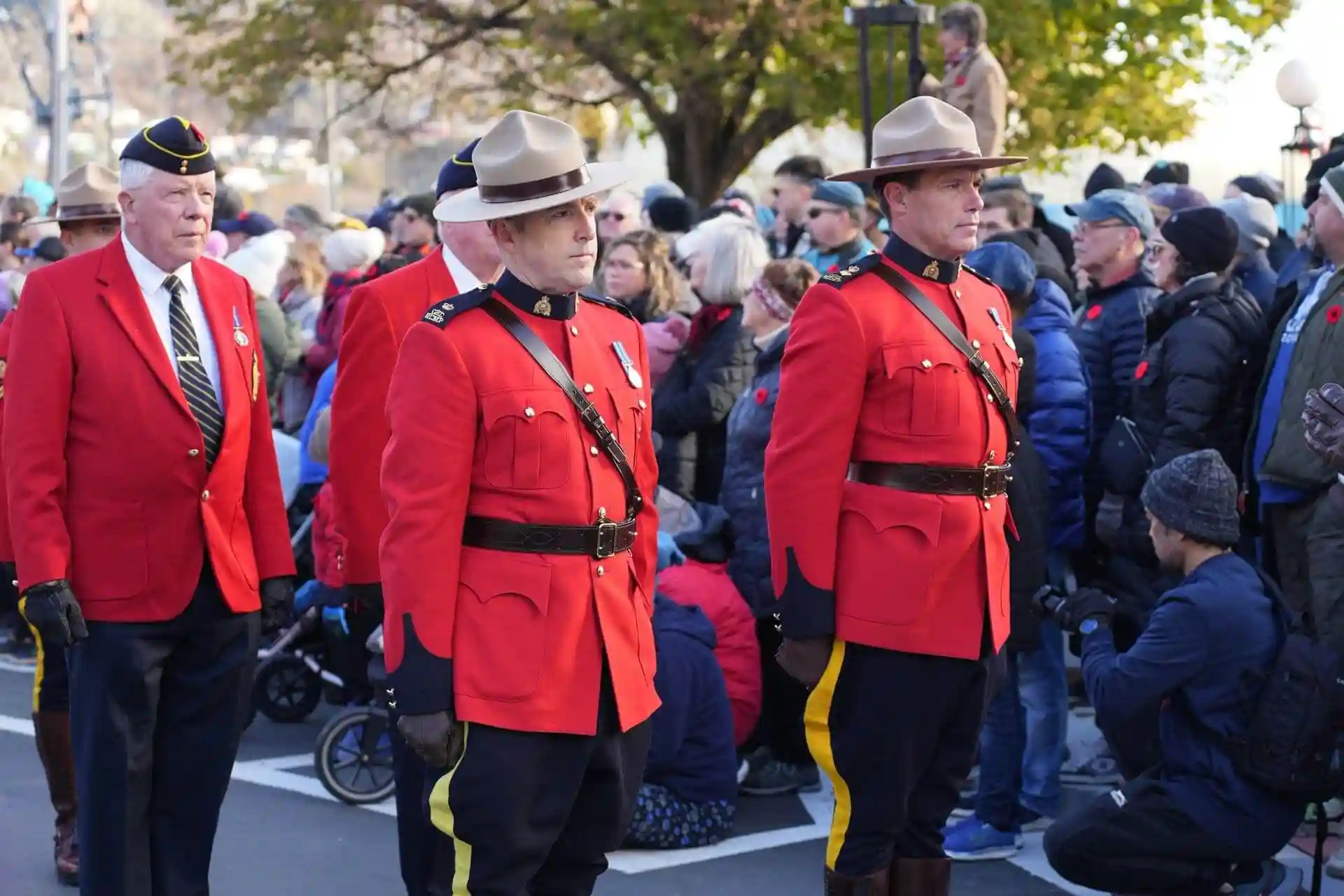
RCMP Recruitment: Your Complete Guide to Joining Canada’s National Police Force
RCMP recruitment is the comprehensive process of selecting qualified candidates to serve as police officers with the Royal Canadian Mounted Police, Canada’s federal and national police service. The recruitment process includes strict eligibility requirements, extensive background checks, physical and psychological assessments, and 26 weeks of intensive training at Depot Academy in Regina, Saskatchewan.
Joining the RCMP represents one of the most rewarding and challenging career paths in Canadian law enforcement. As Canada’s national police force, the RCMP serves communities across the country, from small rural towns to major urban centers, while also handling federal investigations and international peacekeeping missions.
Visit our full RCMP Recruitment Guide for in-depth details
What Is RCMP Recruitment and Who Can Apply?
RCMP recruitment is designed to identify individuals who possess the character, skills, and commitment necessary to serve as police officers in diverse Canadian communities. The process evaluates candidates through multiple stages, ensuring only the most qualified applicants become RCMP members.
Essential RCMP recruitment qualifications include:
- Canadian citizen or permanent resident (resided in Canada for 3 out of last 5 years)
- At least 18 years of age to apply
- High school diploma or equivalent
- Proficient in English and/or French
- Valid, unrestricted Canadian driver’s license
- Good character — no recent criminal activity, bankruptcies, or law enforcement misconduct
- Meet health, vision, hearing, and physical standards
- Willing to relocate anywhere in Canada
- Prepared to work shift work including weekends and holidays
How Do You Meet RCMP Recruitment Character Requirements?
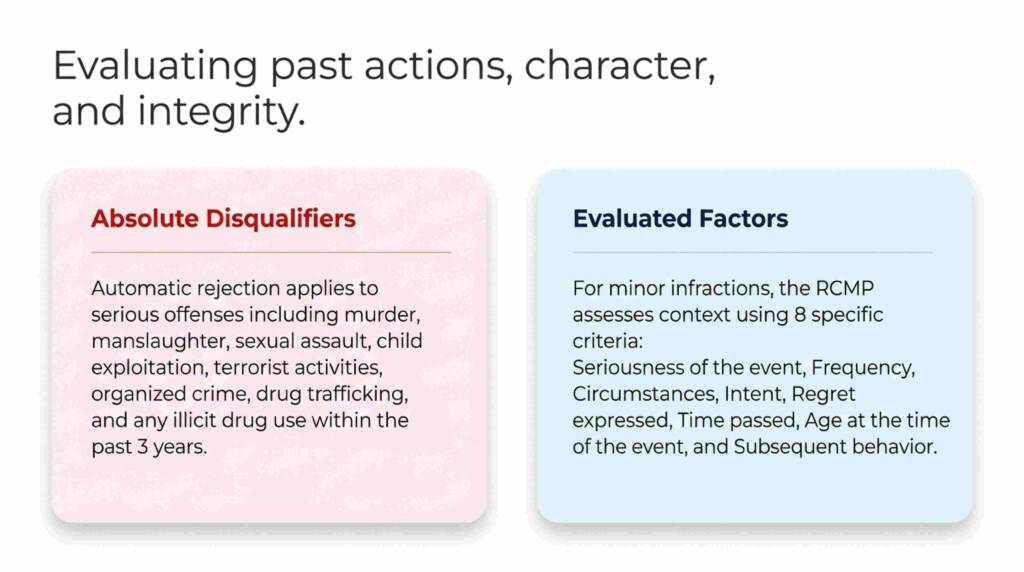
Character assessment forms the cornerstone of RCMP recruitment, as police officers must uphold public trust and maintain the highest ethical standards both on and off duty. The RCMP evaluates candidates’ past actions using several factors, including seriousness, frequency, circumstances, intent, regret, time passed, age at the time, and subsequent behavior.
Serious criminal offenses automatically disqualify candidates from RCMP recruitment. These include murder, manslaughter, sexual assault, child pornography production or distribution, sexual exploitation, violence against children or vulnerable adults, terrorist activities, organized crime participation, drug trafficking, arson resulting in loss of life, forcible confinement, robbery, and crimes committed with weapons or facial coverings.
Additionally, candidates must avoid criminal behaviors such as illicit drug use (including non-medical prescription drug abuse), theft, purchasing sexual services, solicitation for prostitution, assault, and impaired driving. The RCMP requires applicants to be three years clear of any illegal activity before applying, demonstrating a commitment to lawful behavior and personal growth.
RCMP applications more than doubled between 2022‑23 and 2024‑25. More applicants entering the funnel does not mean more Constables graduating — the number of Depot places is set by operational staffing targets, not application volume. Every stage of the process is a genuine selection hurdle, not a formality.
What Does the RCMP Recruitment Application Process Involve?
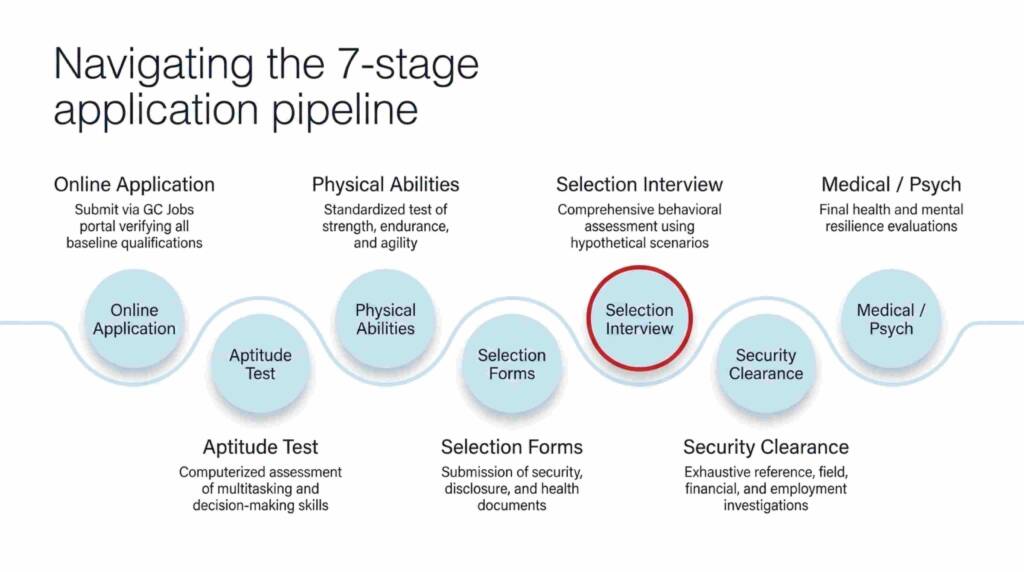
The RCMP recruitment application process consists of seven comprehensive stages designed to thoroughly evaluate each candidate’s suitability for police work:
Step 1: Submit Online Application Complete your application through the Government of Canada’s GC Jobs website, ensuring you meet all qualifications and requirements.
Step 2: Complete Aptitude Test Take a computerized assessment evaluating critical skills like multitasking and decision-making abilities essential for police work.
Step 3: Physical Abilities Test Demonstrate the strength, endurance, and agility required for law enforcement duties through standardized fitness assessments.
Step 4: Complete Selection Forms Submit security forms, disclosure documents, health assessments, and interview preparation materials by the specified deadline.
Step 5: Selection Interview Participate in a comprehensive interview assessing past behavior and decision-making in hypothetical law enforcement scenarios.
Step 6: Security Clearance Undergo reference checks and field investigation examining personal finances, education, employment history, and character references.
Step 7: Medical and Psychological Assessments Complete thorough health evaluations ensuring you meet the physical and mental standards required for police work.
For a detailed walkthrough of each stage with preparation tips and timelines, see our complete guide to the RCMP application process.
How Long Is RCMP Training at Depot Academy?
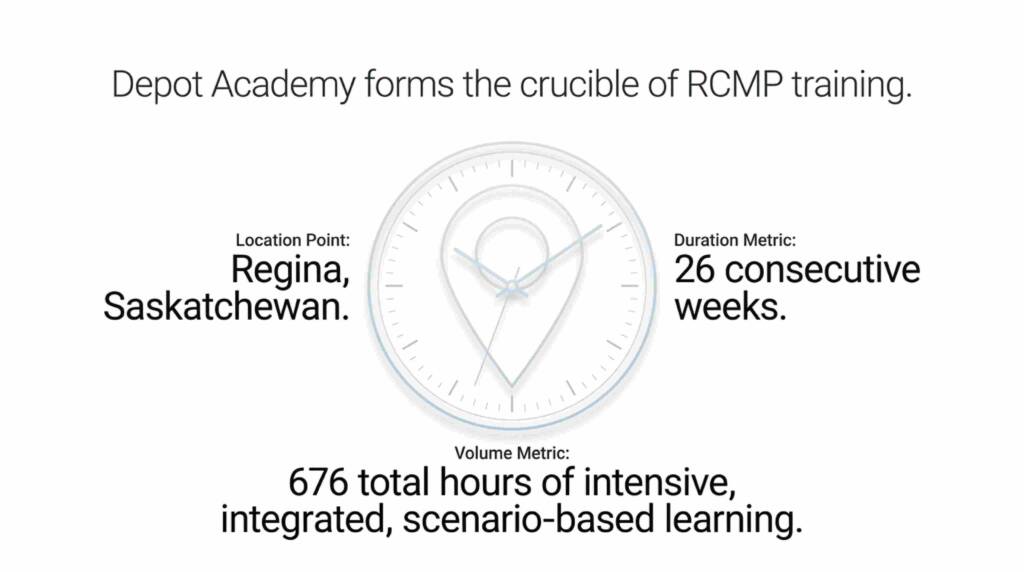
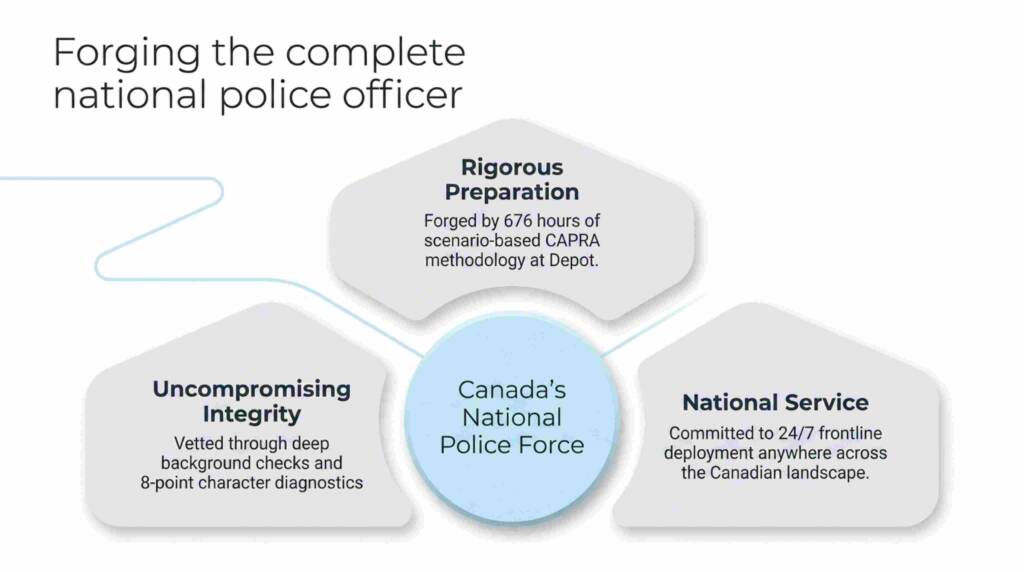
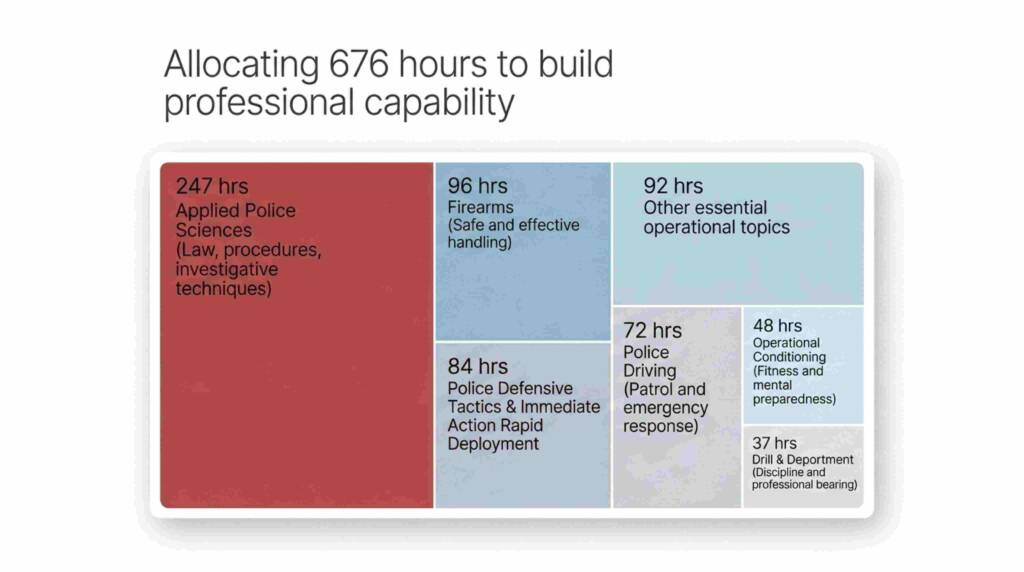
RCMP recruitment culminates in an extensive 26-week training program at the RCMP Training Academy, known as Depot, located in Regina, Saskatchewan. This comprehensive program transforms successful applicants into qualified police officers through 676 total hours of intensive instruction and practical training.
The training curriculum covers multiple essential areas of police work. Applied Police Sciences receives the most extensive coverage with 247 hours, providing cadets with fundamental knowledge of law, procedures, and investigative techniques. Firearms training accounts for 96 hours, ensuring officers can safely and effectively handle weapons when necessary.
Police Defensive Tactics and Immediate Action Rapid Deployment training comprises 84 hours, teaching cadets essential self-defense techniques and emergency response protocols. Police driving instruction takes 72 hours, developing the advanced driving skills required for patrol duties and emergency situations. Operational conditioning receives 48 hours, focusing on physical fitness and mental preparedness for the demands of police work.
The program also includes 37 hours of drill and deportment training, instilling discipline and professional bearing expected of RCMP members. Additionally, 92 hours cover various other essential topics, ensuring cadets receive comprehensive preparation for their careers.
Where Will You Work After RCMP Recruitment?
RCMP recruitment prepares candidates for deployment anywhere within Canada, reflecting the national scope of the organization’s responsibilities. New RCMP members must demonstrate willingness to relocate to any province or territory where their services are needed, though efforts are made to accommodate preferred provinces for first postings.
Policing operates as a 24-hour necessity, requiring officers to work various shifts including nights, evenings, weekends, and holidays. This shift work ensures continuous law enforcement coverage for Canadian communities, maintaining public safety around the clock.
After completing Depot training, new RCMP members begin their careers in general duty policing, which involves patrolling assigned areas, responding to emergency calls, conducting investigations, and engaging with community members. This foundational experience provides essential skills and knowledge that support career advancement opportunities.
The RCMP offers numerous specialized career paths for experienced members. These include drug enforcement, major crime investigation, forensic identification, emergency response teams, police dog services, marine services, air services, international peacekeeping, cybercrime investigation, financial crime units, and national security operations.
What Physical and Mental Demands Should You Expect?
RCMP recruitment prepares candidates for the significant physical and mental challenges inherent in police work. Officers regularly face exposure to trauma, violence, and disturbing events that can impact their psychological well-being. However, the RCMP provides comprehensive wellness programs and support services to help members manage these challenges effectively.
Physical demands include the ability and willingness to carry firearms and use necessary force to restore order and maintain public safety. Officers must maintain excellent physical condition throughout their careers, as police work often requires running, climbing, restraining suspects, and performing other physically demanding tasks.
The recruitment process includes rigorous health, psychological, vision, and hearing standards to ensure candidates can meet these demands. These assessments help identify individuals who possess the physical capabilities and mental resilience necessary for successful police careers.
How Much Do RCMP Members Earn?
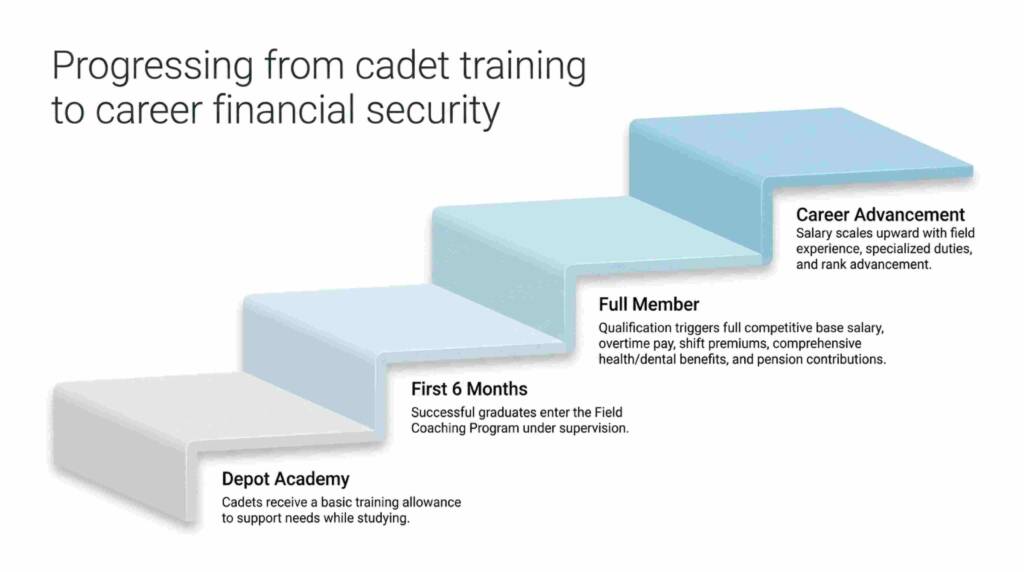
RCMP recruitment leads to competitive compensation and comprehensive benefits packages. During the 26-week training period at Depot, cadets receive a training allowance to support their basic needs while focusing on their studies.
Upon graduation and successful completion of the six-month Field Coaching Program, new RCMP members receive full salary and benefits. The compensation package includes competitive base salaries, overtime pay, shift premiums, comprehensive health and dental benefits, pension contributions, and various allowances for specialized duties or challenging postings.
Salary levels increase with experience and rank advancement, providing long-term financial security for RCMP members and their families. The organization also offers promotional opportunities based on performance and experience, allowing dedicated members to advance through the ranks and take on increased responsibilities.
What Happens If You’ve Applied Before?
RCMP recruitment recognizes that some candidates may need to reapply after previous unsuccessful attempts or deferrals. The organization has established clear guidelines for returning applicants to ensure fair consideration while maintaining high standards.
Returning applicants may be eligible to reapply if their deferral period has passed. If no specific date was provided during the previous application, candidates can typically reapply 12 months from the date their file was concluded. However, applicants must still meet all current RCMP qualifications and requirements, including vision and hearing standards and required medical assessments.
Failure to meet these conditions may result in rejection from the recruitment process, with an additional 12-month waiting period before the next reapplication opportunity. When returning applications are received, they are reviewed alongside previous application files to provide comprehensive evaluation and determine appropriate next steps.
What Training Methods Does Depot Academy Use?
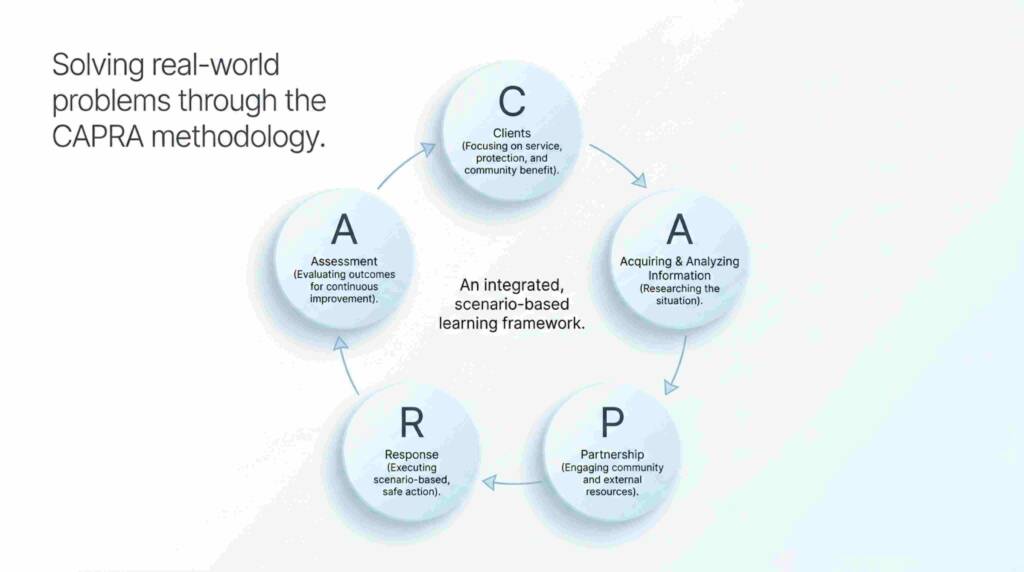
RCMP recruitment culminates in innovative training methodologies at Depot Academy that prepare cadets for real-world policing challenges. The program utilizes a client-centered approach, recognizing that policing benefits communities and taxpayers through service, protection, enforcement, and prevention.
The integrated problem-based approach teaches policing through realistic, life-like situations rather than theoretical concepts alone. Cadets learn by solving problems through research, information gathering, and group problem-solving exercises, supplemented by lectures and demonstrations. Case studies provide valuable learning opportunities to manage authentic police situations safely and effectively.
This scenario-based approach allows cadets to understand the complexities of police work, discuss alternative responses, develop effective techniques, and engage in cooperative problem-solving with their peers. The learner-centered methodology requires cadets to take active responsibility for their education, developing the independent thinking skills essential for police work.
Assessment methods include written examinations to evaluate knowledge of legal principles and police procedures, practical exercises to assess skills in defensive tactics and firearms, scenario-based assessments to evaluate problem-solving and communication abilities, and continuous evaluation of performance, conduct, and adherence to RCMP values.
What is the RCMP salary and benefits package in 2026?
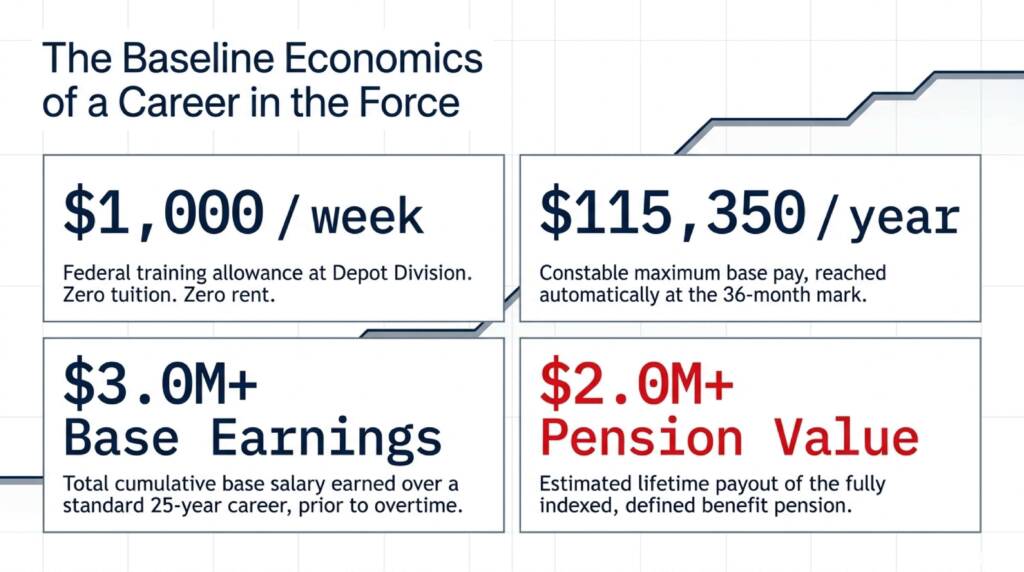
As of April 1, 2026, RCMP cadets earn $1,000 per week during the 26-week Depot training period, for a maximum recruitment allowance of $26,000. After graduation, new Constables start at $71,191 per year and reach $115,350 within 36 months of service following a five-step pay scale (RCMP Pay and Benefits, rcmp.ca, 2026).
The five Constable pay steps, effective April 1, 2024: Step 1 at $71,191, Step 2 at $92,497, Step 3 at $100,356, Step 4 at $108,220, and Step 5 at $115,350. Most members reach Step 5 within 36 months of service. Bilingual members qualify for an additional $800 per year. Operational clothing allowances range from $300 to $1,500 annually depending on the posting type.
The pension plan provides a full pension at 25 years of service and the maximum pension at 35 years. Vacation days increase with seniority: 15 days per year for the first five years, 20 days from years 5 to 10, 25 days from years 10 to 22, and 30 days at 23 or more years of service. Officers at isolated postings receive additional allowances covering living cost differentials, fuel, utilities, and shelter costs.
Maternity benefits provide 93% of weekly pay for up to 17 weeks. Parental benefits provide 93% of weekly pay for up to 37 weeks for all officers regardless of gender. The RCMP also reimburses tuition up to $1,500 per year for job-relevant education completed outside working hours. Family health and dental coverage begins after graduation from Depot. For the full salary table and career progression details, see the RCMP salary guide.
What is the Police Fitness Assessment (PFA) and how do you pass it?
The RCMP replaced the PARE (Physical Ability Requirement Evaluation) with the Police Fitness Assessment (PFA) on April 1, 2024. The PFA has four components built around actual police duties rather than abstract physical tasks. Candidates who train only for the old PARE format arrive underprepared for the current test structure.
Foot Pursuit: A 500-metre run with directional changes followed by a 1.4-metre fence climb, replicating an officer pursuing a suspect on foot. Physical Control: Sled pushing and pulling at 37 kg of resistance, plus a 54 kg weighted mannequin pull, simulating physically restraining an individual.
Emergency Assistance: Loading 15 objects at 23 kg each, plus a casualty evacuation simulation, representing removing an injured person from danger. High Priority Task: A 150-metre sprint, stair climbing, and a second sprint in body armour with a 4.5 kg weight vest, all completed within 90 seconds, simulating a rapid emergency response.
The RCMP’s preparation benchmarks: a 5 km run in under 30 minutes is the baseline, with a target of 23:30 to 26:30 and a superior rating under 23:00. At least 16 consecutive push-ups is the floor, with a target range of 21 to 25. Begin PFA training at least six months before the assessment, not after receiving a Stage 8 scheduling notice. Full benchmarks and a training plan are at the RCMP fitness standards guide.
How is RCMP recruitment changing in 2026?
The RCMP published its National Recruitment Strategy 2026-2029 in March 2026, targeting 50 troops of 32 cadets, or 1,600 cadets total, at Depot for the 2026-2027 training year. The strategy’s own data shows the average time from a complete application package to a Depot offer is 446 days. The goal is to cut that to six months by 2028-2029 (RCMP National Recruitment Strategy, rcmp.ca, 2026).
Canada’s Budget 2025 allocated $1.8 billion over four years to hire 1,000 additional RCMP personnel, focused on border security, transnational organized crime, financial crime, and national security. The National Recruitment Transformation (NRT) team, launched in September 2025, reviewed 22 external police agencies across Canada, the U.S., the U.K., Australia, and New Zealand. A pilot testing regionalized screening and processing launched in February 2026.
Diversity targets for cadets graduating by 2028-2029: 24% women, 9% Indigenous Peoples, and 20% members of racialized groups. The RCMP is also advancing the 2027-2030 First Nations, Inuit and Métis (FNIM) Recruitment Strategy, which prioritizes barrier reduction and applicant support for Indigenous candidates. The strategy also aims to reduce the Psychological Suitability Screening deferral rate to 20% by 2028-2029, aligning the RCMP with other Canadian law enforcement agencies.
Which RCMP division will you be posted to after Depot?
The RCMP operates across 14 letter-coded divisions and provides contract policing to 8 out of 10 provinces, 3 territories, over 150 municipalities, and approximately 550 Indigenous communities. Your first posting is assigned based on operational need at the time you graduate Depot, not based on personal preference. Requesting a specific division is not part of the initial assignment process.
The division letter codes: B Division (Newfoundland and Labrador), C Division (Quebec federal), D Division (Manitoba), E Division (British Columbia, the largest with over 8,000 employees), F Division (Saskatchewan), G Division (Northwest Territories), H Division (Nova Scotia), J Division (New Brunswick), K Division (Alberta), L Division (Prince Edward Island), M Division (Yukon), and V Division (Nunavut). Ontario and Quebec rely primarily on provincial police (OPP and SQ), but the RCMP maintains a federal policing presence in both provinces through O and C divisions.
New Constables begin in general duty policing at their assigned detachment: responding to calls, conducting investigations, and building community relationships through the Field Coaching Program. After gaining experience, officers can apply for specialized roles across more than 150 career paths, including federal policing, major crimes, cybercrime, the Emergency Response Team, National Forensic Laboratory Services, marine services, and aviation. The RCMP makes efforts to accommodate preferred provinces for subsequent transfers once initial service obligations are complete. For a full list of career paths, see the After Depot and career paths guide.
How the RCMP Suitability Interview Works
The RCMP suitability interview is Step 5 of the recruitment process and one of the most heavily weighted stages. It is a structured behavioral interview — assessors ask about real situations from your past, not hypothetical scenarios. The underlying principle is that past behavior is the best predictor of future behavior. Candidates who prepare with specific, concrete examples score significantly higher than those who give general or theoretical answers.
The interview assesses a defined set of behavioral competencies, including effective communication, conscientiousness and reliability, flexibility, self-confidence, sound judgment, emotional control, results orientation, and valuing diversity. Each answer is scored against a behavioral anchoring scale — partial credit is not awarded. Either the competency is demonstrated through your example or it is not. The interview typically runs 90 minutes to two hours with two assessors present. Notes are taken and scores are calculated after the interview concludes.
The most effective preparation method is to develop 8 to 12 concrete examples from your own life — work, school, volunteer, or personal situations — that clearly show each competency in action. Use the STAR structure (Situation, Task, Action, Result) to organize each example before the interview. Vague answers, generic responses, or responses that describe what you would do rather than what you did are the most common reasons candidates score below the passing threshold. If you do not pass, the waiting period before the interview can be retaken is 12 months.
What the RCMP Security Clearance and Background Check Covers
Step 6 of RCMP recruitment — the security clearance — is one of the most extensive background investigations conducted by any Canadian employer. It is not a single check but a multi-layered field investigation that typically takes several months to complete. The scope is broader than most applicants expect, and undisclosed information that investigators later discover is treated as an integrity issue independent of the original content.
The investigation covers criminal record history through CPIC (including charges that were withdrawn or stayed), a credit bureau report and financial history review, employment verification for all positions held in the last 10 years, education credential verification, and a minimum of five character references — at least some of whom will be former direct supervisors. Field investigators may also conduct unannounced interviews with neighbours, former colleagues, and others in your community. Social media and publicly accessible online profiles are reviewed. All overseas travel history and any contact with foreign nationals or governments is disclosed and assessed.
Drug use history requires full self-disclosure, including past cannabis use prior to legalization. Financial issues are a frequent cause of delays and disqualifications — outstanding collections accounts, undischarged bankruptcies, a pattern of missed payments, or a debt load inconsistent with your income can all trigger concern. Candidates are advised to pull their credit report from Equifax or TransUnion before submitting their application and resolve any outstanding issues in advance. Candidates who have declared bankruptcy must typically wait until the bankruptcy is fully discharged. A polygraph examination may be required for positions requiring higher-level security clearances.
RCMP Tattoo and Appearance Policy
The RCMP updated its tattoo policy in 2022 to align with standards at other Canadian police services. Visible tattoos are permitted in most cases, but content remains the primary review criterion. Tattoos that are categorically prohibited regardless of placement include content that is racist, sexist, homophobic, discriminatory, gang-affiliated, extremist, or otherwise offensive to public decency or the reputation of the RCMP. These are assessed as character disqualifiers, not appearance issues, and apply to tattoos anywhere on the body — not only visible ones.
For tattoos in locations visible when wearing the RCMP uniform (hands, wrists, neck, and face), the content and prominence are assessed on a case-by-case basis. The policy does not impose a categorical ban on all visible tattoos, but face and neck tattoos are generally considered inconsistent with the uniform standard and are likely to raise concerns during the assessment process. Large or elaborate hand and wrist tattoos may also be flagged depending on content and visibility.
During the medical and health assessment phase, candidates are required to disclose all tattoos in full, including those not visible while in uniform. Failure to disclose a tattoo — even one whose content would otherwise be acceptable — is treated as an integrity and disclosure failure, which is a separate and more serious concern than the tattoo itself. Candidates should document all tattoos and be prepared to describe content, placement, and approximate date of each when completing the health assessment forms.
Is There a Maximum Age for RCMP Recruitment?
There is no maximum age limit for RCMP recruitment. The only age requirement is the minimum: applicants must be at least 18 years old at the time of application. The RCMP removed its upper age cap years ago, making applicants in their 40s and 50s fully eligible to apply provided they meet all other recruitment requirements. Age is not assessed as a criterion at any stage of the selection process.
In practice, older applicants face the same physical standards as younger ones. The Police Fitness Assessment (PFA) is not age-adjusted — every candidate must meet the same benchmarks regardless of age or fitness background. Officers must also maintain fitness standards throughout their careers, not only during recruitment. The 26-week Depot program is physically and mentally demanding, and candidates who arrive only marginally fit — regardless of age — face the highest attrition risk in the early weeks.
On the career planning side, the RCMP pension provides a full pension at 25 years of service and the maximum pension at 35 years. Officers who join later in their careers accumulate fewer pensionable years before retirement eligibility, though they contribute proportionally and receive pension benefits based on years served. The RCMP does not impose mandatory retirement based on age alone. Candidates in their 30s and 40s who complete recruitment and Depot are present in every troop, and the competencies assessed in the suitability interview — judgment, reliability, communication, emotional control — are areas where life experience is often an asset.
Frequently asked questions about RCMP recruitment
The RCMP National Recruitment Strategy 2026-2029 reports the average time from a complete application package to a Depot offer is 446 days. Including the 26 weeks of Depot training, most applicants take 18 to 24 months from first application to earning the rank of Constable.
No. A Canadian secondary school diploma or equivalent is the minimum education requirement. No university degree is required to apply or become a Constable.
The RCMP evaluates past actions based on seriousness, frequency, circumstances, intent, regret, time passed, age at the time, and subsequent behaviour. Minor offences may not automatically disqualify candidates. Full disclosure of all past conduct is required.
New Constables start at $71,191 per year as of April 1, 2024 pay rates, reaching $115,350 within approximately 36 months. During the 26-week Depot program, cadets receive $1,000 per week as of April 1, 2026.
No. Your first posting is assigned based on operational need at the time you graduate Depot. The RCMP makes efforts to accommodate preferred provinces but cannot guarantee a specific location.
More about RCMP recruitment
At Depot, instructors apply the CAPRA model throughout training — Clients, Acquiring and Analyzing information, Partnership, Response, and Assessment for continuous improvement. It is the RCMP’s operational problem-solving framework, applied in active service after graduation. On the fitness side, the Police Fitness Assessment (PFA) replaced the PARE on April 1, 2024. The four components are Foot Pursuit (500m run with a 1.4m fence climb), Physical Control (sled and mannequin), Emergency Assistance (object loading and casualty evacuation), and High Priority Task (sprint, stairs, and a 4.5 kg vest sprint completed within 90 seconds).
In 2024‑25, approximately 20,000 applications arrived — more than double the 9,698 received in 2022‑23. Of those, 895 candidates graduated as Constables. The National Recruitment Strategy 2026‑2029 targets 50 troops of 32 cadets, or 1,600 cadets total at Depot for 2026‑2027. Budget 2025 also funded 1,000 additional RCMP personnel over four years to strengthen federal policing and national security capacity.
The RCMP runs the Indigenous Pre-Cadet Training Program — a three-week session at Depot for First Nations, Inuit, and Métis candidates — giving a realistic preview before committing to the full application. Diversity targets for graduating cadets by 2028‑2029 include 9% Indigenous Peoples. On benefits, officers receive a full pension at 25 years of service and the maximum at 35 years. Vacation days start at 15 per year, rising to 20 from years 5 to 10, 25 from years 10 to 22, and 30 at 23 or more years. Parental benefits provide 93% of weekly pay for up to 37 weeks.
This article reflects current RCMP policy based on official government documentation. Eligibility and suitability decisions are assessed on a case-by-case basis during the application process.
By Emily Clarke, Lead Content Strategist — https://joinrcmp.ca/author/emilyclarke/
Sources:
RCMP: Regular Member Recruitment
Auditor General of Canada: Recruiting for the RCMP (2026)